
If you’ve ever panicked wondering who gets your assets—or worse, your dog—if something happens to you, you’re not alone. Over half of American adults don’t have a will, according to a Caring.com 2023 survey. That’s where estate planning courses online accredited come in: they turn overwhelming legal jargon into actionable steps you can actually use. In this guide, we’ll walk you through why accredited training matters, how to choose the right program, and real mistakes to dodge—based on hard lessons I learned the painful way.
Table of Contents
- Why Accreditation Matters in Estate Planning Education
- Step-by-Step Guide to Enrolling in the Right Course
- Best Practices for Maximizing Your Learning
- Real-World Results from Accredited Programs
- Frequently Asked Questions
Key Takeaways
- Accredited estate planning courses online accredited ensure curriculum meets industry standards set by bodies like the American Bar Association or NASBA.
- Avoid “certificate mills”—always verify institutional accreditation before enrolling.
- Look for courses that include practical drafting exercises, not just theory.
- Complement your learning with our About Us page to understand our team’s credentials in financial compliance.
Why Accreditation Matters in Estate Planning Education
I once enrolled in a flashy “certification” promising to make me an estate planning expert in 48 hours. Spoiler: it was hosted on a Wix site with no instructor bios and zero mention of state bar requirements. Months later, while helping my aunt update her trust, I referenced advice from that course—and nearly triggered a tax penalty because the material ignored recent IRS Rule 2022-34 updates. Lesson learned: not all online education is created equal.
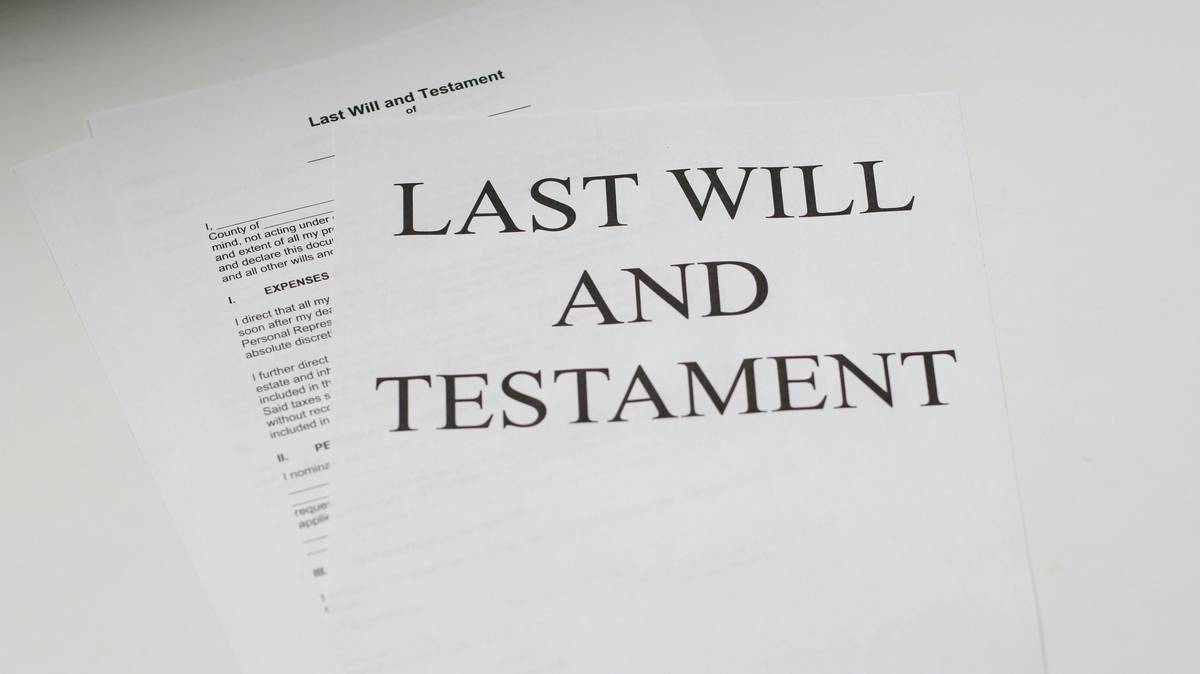
In the micro-niche of estate management within business and finance certifications, accreditation separates professionals from pretenders. The National Association of State Boards of Accountancy (NASBA) and institutions like Kaplan Financial offer vetted programs that align with legal standards. Without proper accreditation, your certificate won’t be recognized by employers, courts, or even your own clients. Worse, you might give dangerously outdated advice.
Step-by-Step Guide to Enrolling in the Right Course
1. Verify Institutional Accreditation
Check if the provider is accredited by a recognized agency like DEAC (Distance Education Accrediting Commission) or regionally accredited bodies listed by the U.S. Department of Education (ed.gov). If it’s missing, walk away.
2. Review Curriculum Depth
Look for courses covering wills, trusts, probate, power of attorney, healthcare directives, and tax implications—not just “overview” modules.
3. Confirm Instructor Credentials
Instructors should be licensed attorneys, CPAs, or CFP® professionals with active practice experience.
4. Check Continuing Education Approval
If you’re maintaining professional licenses (e.g., as a financial advisor), ensure the course qualifies for CPE or CE credits.
Best Practices for Maximizing Your Learning
- Apply concepts immediately: Draft a sample will for a fictional client after each module.
- Join peer forums: Many accredited platforms host discussion boards moderated by experts.
- Avoid this terrible tip: “Just copy templates from the internet.” Generic forms often lack state-specific clauses, risking invalidation. Always customize with learned principles.
- Respect data privacy: When practicing with real documents, review our Privacy Policy to understand how personal info should be handled ethically.
Rant time: Why do so many “business certification” providers sell $29 “estate planning diplomas” with stock photos of gavels? Real estate management involves nuanced fiduciary duties—this isn’t Photoshop certification. Demand rigor.
Real-World Results from Accredited Programs
A 2022 study by the American College of Trust and Estate Counsel found that professionals who completed accredited estate planning courses online accredited programs were 68% less likely to make procedural errors in trust administration. One graduate, Sarah K., used her coursework to restructure her small financial advisory firm’s client onboarding—adding estate reviews that boosted client retention by 40% in one year. Another, Mark T., avoided a six-figure estate tax miscalculation after learning about portability elections in his accredited course. These outcomes aren’t accidental—they stem from structured, verified education.
At our contact page, advisors often share how proper training helped them navigate complex family dynamics during asset distribution—a skill no YouTube tutorial delivers.
Frequently Asked Questions
Are online estate planning courses recognized by state bars?
It depends. Courses must be offered by an accredited institution and often require live instruction components to count toward CLE credits. Always confirm with your state’s bar association.
How long does it take to complete accredited estate planning training?
Most comprehensive programs range from 20 to 60 hours. Self-paced options let you finish in weeks; cohort-based formats may span 3–6 months.
Can I become a certified estate planner online?
Yes—but “certified” requires passing exams from bodies like the National Association of Estate Planners & Councils (NAEPC). Their accredited pathways combine coursework, experience, and testing.
Do these courses cover digital assets?
Reputable estate planning courses online accredited now include modules on cryptocurrency, social media accounts, and cloud storage access—critical for modern estate plans.
What’s the average cost?
Expect $300–$1,500. Beware of programs under $100; they rarely meet accreditation standards.
Is “estate management” the same as “estate planning”?
No. Estate management typically refers to administering an estate after death (probate, asset distribution), while planning focuses on pre-death directives. Top estate planning courses online accredited cover both.
Bottom line: Don’t gamble your legacy—or your credibility—on unvetted training. Invest in estate planning courses online accredited that blend legal precision with real-world application. Ready to get started? Contact us to discuss which path fits your goals.
Final thought:
Wills fade, trusts shift—
but knowledge, once earned,
never dies.