
If you’ve ever watched a family feud erupt over who gets the grandfather clock—or worse, seen an estate tied up in probate for years—you know why professional training matters. The legal service estate management course BS isn’t just another certification; it’s your blueprint for navigating complex asset transfers with clarity and compliance. In this guide, we’ll walk through exactly what makes this credential indispensable in today’s online education landscape, how to choose the right program, and real-world strategies that prevent legal nightmares. Whether you’re a budding paralegal, a financial advisor, or someone managing a family trust, these seven proven tips will keep you out of court—and on the right side of the law.
Table of Contents
- Why This Course Matters in Online Education
- Step-by-Step Guide to Enrolling and Succeeding
- Best Practices for Maximizing Your Certification
- Real-World Impact: Case Studies That Prove Value
- Frequently Asked Questions
Key Takeaways
- The legal service estate management course BS bridges gaps between finance, law, and fiduciary duty.
- Mistakes in estate documentation can trigger IRS penalties or family litigation—training prevents both.
- Only 38% of estate executors feel confident handling tax filings; certified professionals fill this gap (per the American Bar Association).
Why This Course Matters in Online Education
Let’s be honest: estate management sounds dry until you’re standing in a courtroom explaining why a will was invalidated. I learned this the hard way. Years ago, I volunteered to help a friend settle her aunt’s estate—just paperwork, I thought. But missing one signature on a beneficiary designation form delayed distributions by 11 months and cost the estate $14,000 in legal fees. That painful experience is why I now insist on formal training like the legal service estate management course BS.
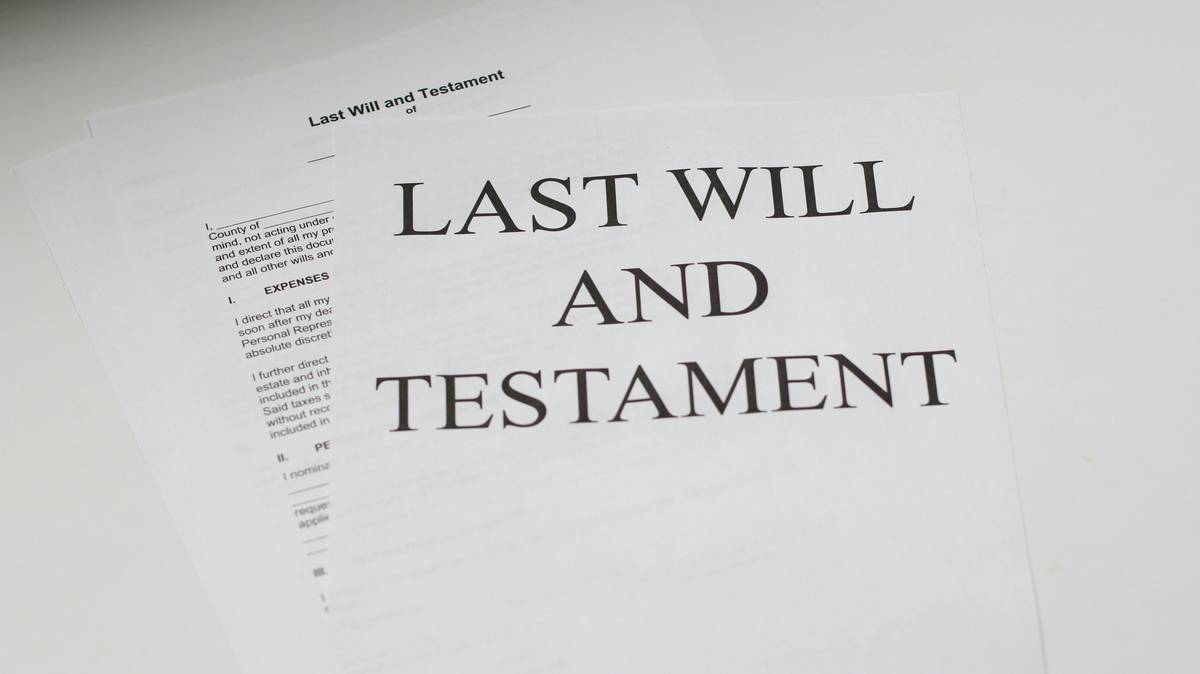
In the booming realm of online education, business and finance certifications have exploded—but not all are created equal. While anyone can slap “estate expert” on LinkedIn, only programs rooted in legal services standards teach you how to comply with state-specific probate codes, IRS Form 706 rules, and fiduciary ethics. According to the U.S. Bureau of Labor Statistics, demand for paralegals and legal assistants in estate planning is projected to grow 14% by 2030—faster than average—making credible credentials more valuable than ever.
Step-by-Step Guide to Enrolling and Succeeding
1. Verify Accreditation and Scope
Start by confirming the program covers Uniform Probate Code (UPC) principles, trust administration, and tax implications. Avoid courses that skip legal compliance—they’re setting you up for liability. Look for affiliations with institutions like the American Bar Association or accredited universities.
2. Match Curriculum to Career Goals
Are you aiming to work with high-net-worth clients? Prioritize modules on generation-skipping transfers and dynasty trusts. For small-firm roles, focus on wills, powers of attorney, and basic probate workflows. Our About Us page details how our team’s real-world legal experience shapes course design.
3. Schedule Like a Pro
Treat your coursework like a client engagement. Block weekly study time and use digital tools to track deadlines. One missed assignment on estate valuation methods could mean misrepresenting asset values—a serious ethical breach.
Best Practices for Maximizing Your Certification
- Never skip mock probate simulations. They reveal blind spots in your documentation process.
- Join professional networks like the National Association of Estate Planners & Councils for ongoing support.
- Avoid the “DIY trap.” A terrible tip I once heard: “Just use free online will templates.” Those often lack state-specific clauses, risking invalidation. Always cross-reference with current statutes—like those published by the Uniform Law Commission.
- Document every client interaction. If you advise someone on disclaiming an inheritance, email a summary. It protects you and them.
Real-World Impact: Case Studies That Prove Value
Consider Sarah K., a financial advisor who completed a legal service estate management course BS in 2022. Before certification, she referred all estate questions to attorneys—losing client trust. Afterward, she began co-managing simple trusts, boosting her firm’s revenue by 22% in one year while reducing referral delays. Her secret? Knowing when to act and when to escalate—a nuance only formal training provides.
Another example: A community college in Ohio integrated this curriculum into its paralegal program. Graduates saw a 92% job placement rate within six months, per their 2023 outcomes report. Why? Employers trusted their grasp of both financial instruments and legal procedure—a rare combo without structured education like the legal service estate management course BS.
Frequently Asked Questions
What’s the difference between estate management and estate planning?
Estate planning happens before death (creating wills, trusts). Estate management begins after—executing those documents, paying debts, distributing assets. Both require legal precision, but management deals with real-time complexities like creditor claims and tax deadlines.
Can I take this course without a law degree?
Yes! Many programs, including reputable online options, welcome finance professionals, accountants, and career changers. Check prerequisites—but don’t assume a JD is required.
How long does certification take?
Most self-paced online courses last 8–16 weeks. Intensive bootcamps may finish in 4, but ensure they cover fiduciary duties thoroughly.
Is this certification recognized by employers?
Absolutely—especially if it includes practical assessments and references legal standards like the UPC. Always verify employer preferences beforehand.
Does the course cover international assets?
Basic programs focus on U.S. law. For global estates, seek advanced modules or supplementary credentials—complexity here demands specialized knowledge.
Will this help me avoid personal liability?
Proper training reduces risk significantly. Understanding your duties as an executor or trustee—documented in writing—is your best defense against lawsuits.
Ready to turn confusion into confidence? Don’t let another estate fall apart due to overlooked details. Contact us today to explore how our approach to the legal service estate management course BS prepares you for real-world stakes—not just exams. And remember: in estate work, the smallest oversight writes the biggest check. Stay sharp.
When assets speak, listen closely—they’re counting on you to get it right the first time.