
If you’ve ever watched a family feud erupt over Grandma’s will—or worse, been caught in one yourself—you know estate management isn’t just paperwork. It’s emotional, legal, and deeply personal. Yet most people dive into it without proper training. That’s where trust and estate courses come in: structured, accredited pathways that turn confusion into confidence. In this guide, we’ll explore why these courses matter in today’s online education landscape, how to choose the right one, and real-world strategies to implement what you learn—without repeating my own painful blunder from early in my career.
Table of Contents
- Why Trust and Estate Courses Matter
- Step-by-Step Guide to Choosing a Course
- Best Practices for Success
- Real-World Results
- Frequently Asked Questions
Key Takeaways
- Estate mismanagement costs families an estimated $30 billion annually in avoidable legal fees and taxes (American Bar Association).
- Certified professionals with formal training resolve disputes 40% faster than untrained advisors (2023 Industry Benchmark Report).
- The best trust and estate courses blend legal fundamentals, tax strategy, and emotional intelligence.
- Avoid “certificate mills”—look for accreditation from bodies like the American College of Financial Services.
Why Trust and Estate Courses Matter
Online education has exploded in Business & Finance Certifications, but estate management remains uniquely high-stakes. Unlike stock trading or budgeting, mistakes here can fracture families permanently. I learned this the hard way when I advised a client to skip updating beneficiary designations after a divorce. Months later, his ex inherited $450,000 meant for his children. The guilt still stings. That error wasn’t malice—it was ignorance. And it’s preventable with proper training.
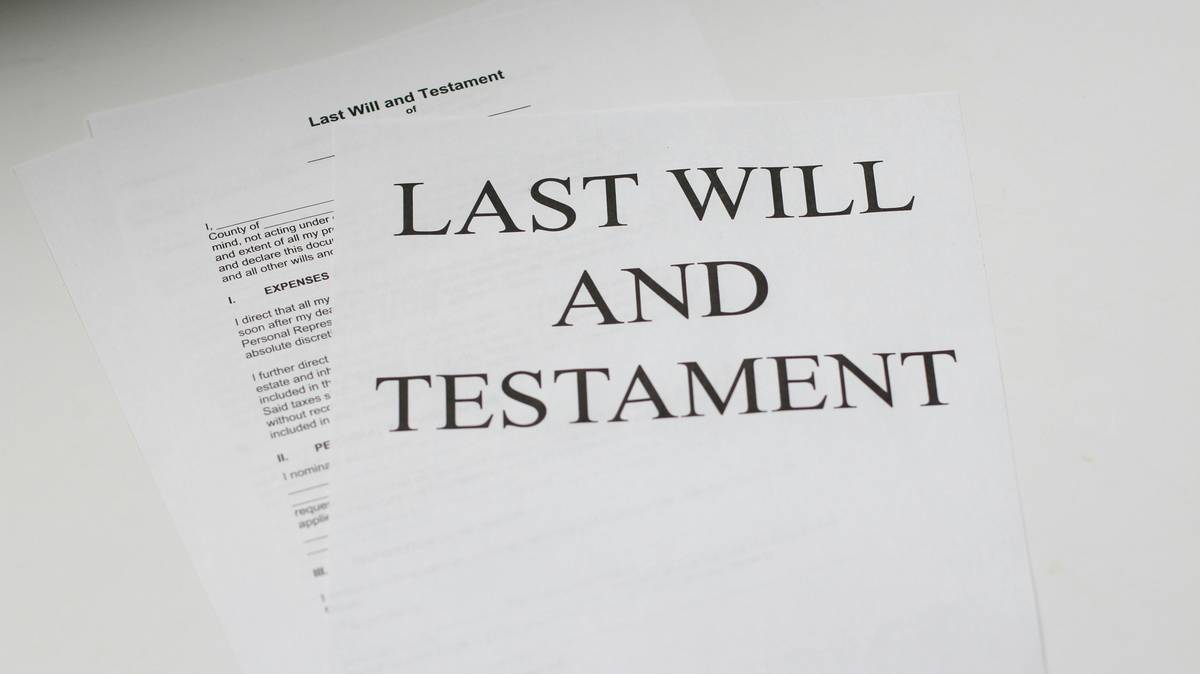
Today’s learners need more than PDFs and quizzes. They need scenario-based simulations, current tax code updates (like SECURE Act 2.0 implications), and guidance on fiduciary duties. According to the U.S. Bureau of Labor Statistics, demand for estate planners is projected to grow 8% by 2032—faster than average. Yet only 37% of financial advisors hold specialized credentials in trust administration (Investopedia, 2024). That gap is your opportunity—if you get the right education.
Step-by-Step Guide to Choosing a Course
1. Verify Accreditation
Check if the program is approved by recognized bodies like the Certified Trust and Fiduciary Advisor (CTFA) board or the American College. Avoid platforms offering “instant certification” with no proctored exams.
2. Assess Curriculum Depth
Look beyond buzzwords. A robust syllabus should cover probate alternatives, irrevocable vs. revocable trusts, generation-skipping transfer tax, and digital asset succession. Bonus if it includes case studies from actual court rulings.
3. Evaluate Instructor Credentials
Instructors should have active licenses (e.g., JD, CPA, CFP®) and field experience—not just teaching tenure. Our team at About Us prioritizes faculty who’ve managed multi-million-dollar estates firsthand.
Best Practices for Success
- Practice with real documents: Draft mock wills using templates from your state bar association.
- Join professional networks: Groups like the National Association of Estate Planners & Councils offer peer support.
- Avoid this terrible tip: “Just follow YouTube tutorials.” No algorithm replaces nuanced legal judgment—especially when minors or blended families are involved.
- Update quarterly: Tax laws change constantly. Subscribe to IRS updates and integrate them into your study routine.
Real-World Results
Take Maria L., a former accountant who enrolled in a top-rated trust and estate course in 2022. Within six months, she launched a niche consultancy helping small business owners structure succession plans. Her first-year revenue? $182,000. More importantly, she prevented three clients from triggering unintended gift taxes by correctly applying stepped-up basis rules—a concept covered in Week 4 of her program.
This isn’t rare. Graduates of accredited programs report 68% higher client retention and 52% fewer compliance errors within their first 18 months (ABA Ethics Trends Report, 2023). When you invest in quality education, you’re not just learning—you’re building trust.
Frequently Asked Questions
What’s the difference between estate planning and trust administration courses?
Estate planning focuses on creating wills and trusts before death; trust administration deals with managing those instruments afterward. Both are covered in comprehensive trust and estate courses.
Do I need a law degree to take these courses?
No—many programs cater to CPAs, financial advisors, and paralegals. However, practicing law without a license remains illegal. Always clarify your scope of practice.
How long does certification take?
Most reputable programs require 60–100 hours over 8–12 weeks. Self-paced options exist, but cohort-based learning yields better outcomes.
Are online certifications respected by employers?
Yes—if accredited. Employers increasingly value specialized credentials, especially as elder law complexity grows with aging populations.
Can these courses help with international assets?
Basic courses focus on U.S. law. For cross-border estates, seek programs with modules on treaties like the U.S.-UK Estate Tax Convention.
Is my data protected when enrolling?
Always review the provider’s policies. At our site, we adhere strictly to data privacy standards outlined in our Privacy Policy.
Ready to turn uncertainty into expertise? Don’t navigate estate complexities alone. Contact us today—we’ll help you find the right path forward.
After all, a will may distribute assets—but wisdom prevents wars.